Read this before you blame yourself again
If you've ever stood in a bathroom wondering what's wrong with you — nothing is. Body odor is not a personal failing or a hygiene problem. It's biology. A real, layered system involving sweat glands, bacteria, genetics, hormones, the food on your plate, and the shirt on your back. Once you understand how the system works, you can stop fighting your body and start working with it. Let's walk through the whole thing.
Part 1: The plumbing
Two completely different sweat glands
You have 2–4 million sweat glands. Most of them are eccrine glands — spread across nearly your whole body, producing thin, watery sweat that's about 99% water. Their job is cooling. On their own, they barely smell.
Then there are apocrine glands. These live in your armpits, groin, around your nipples, and inside your ear canals. They wake up at puberty under hormonal control, and the sweat they make is thicker, oilier, full of lipids and proteins. Also odorless when it first leaves your skin. The smell happens after.
The bacteria part
Living on your skin — happily, normally, and in everyone — are bacteria. The main characters in underarm odor are Corynebacterium and Staphylococcus. They break down the lipids and proteins in apocrine sweat into volatile fatty acids and thioalcohols. Those are the molecules we recognize as BO. Different species make different smells: Corynebacterium produces sharper, cheesier notes; Staphylococcus tends sweeter. Which is why two people with the exact same routine can smell totally different.
Part 2: Genetics — yes, this part is real
The ABCC11 gene
Maybe the single most interesting finding in body odor research: a gene called ABCC11 controls the composition of your apocrine sweat. The "wet earwax" variant (common in people of African and European descent) means you produce more odor-precursor compounds. The "dry earwax" variant (more common in East Asian populations) produces noticeably less — to the point that deodorant simply isn't part of the daily routine for many people who carry it.
Translation: if you've always felt like you smell stronger than the people around you despite doing everything right, your genetics may genuinely be playing a hand. You can't out-shower a gene. But you can absolutely out-product it.
Part 3: The lifestyle layer
Your diet shows up under your arms
Sulfur-heavy foods (garlic, onions, leeks, broccoli, cabbage) get metabolized into compounds your body partly releases through sweat. Red meat does something similar. Alcohol breaks down into acetic acid, which also comes out through your skin. And if you have a rare condition called trimethylaminuria, choline-rich foods (eggs, liver, legumes) can lead to a notably fishy body odor — that's diagnosable and worth talking to a doctor about.
Stress sweat is a different beast
Anxious sweat smells stronger than gym sweat — and it's not in your head. Emotional stress activates your apocrine glands through the sympathetic nervous system (the fight-or-flight wiring), and the sweat that comes out is more concentrated with odor precursors. So that nervous-meeting smell really is different from your post-run smell.
Hormones run the dial
Apocrine glands are sensitive to androgens, which is why BO arrives at puberty. Pregnancy, menstrual cycles, perimenopause, menopause, and thyroid shifts all change apocrine activity — which is why your body's smell can change at totally normal life stages and feel unfamiliar.
Part 4: A complete toolkit, layered
Tier 1: Optimize your daily basics
- Shower daily and wash the underarm specifically with an antibacterial body wash — regular soap reduces bacteria, but not the species that drive odor.
- Exfoliate 2–3 times a week. Dead skin cells feed odor bacteria.
- Dry off completely before applying deodorant. Wet skin dilutes the product.
- Wear clean clothes daily. Wash workout gear every time. Synthetic fabrics concentrate odor faster than cotton or linen.
Tier 2: Pick the right product for your real problem
- Mostly odor: Magnesium hydroxide or zinc ricinoleate deodorants. They neutralize the acids — they don't just mask them.
- Mostly wetness: Clinical-strength antiperspirant (15–20% aluminum chloride), applied at night to dry skin. On the safety question people always ask: the American Cancer Society says there is no convincing evidence linking aluminium-based antiperspirants to breast cancer.
- Both: A combo deodorant-antiperspirant.
- Sensitive skin: Fragrance-free, baking-soda-free formulas with zinc or magnesium.
Tier 3: Lifestyle adjustments that actually help
- Watch dietary sulfur on big days — limit garlic, onions, and cruciferous veggies in the 12–24 hours before something that matters.
- Get enough magnesium. Some research links low magnesium with stronger odor.
- Manage your stress. Aerobic exercise, meditation, real sleep — all dial down the fight-or-flight system that drives stress sweat.
- Hydrate. Diluted sweat = less for bacteria to work with.
Tier 4: When you need to bring in real help
If the first three tiers aren't enough, you have options. Botox injections reduce sweat for 4–6 months. miraDry permanently shrinks sweat gland density. Prescription aluminum chloride solutions outperform anything OTC. And if a metabolic cause is suspected, a doctor can test for trimethylaminuria and similar conditions.
Your personal version of "fixed"
Body odor isn't one problem with one solution. It's the meeting point of your genetics, your microbiome, your diet, your hormones, and your products. Start at Tier 1, layer in Tier 2 based on what your real issue is, and add Tier 3 or 4 if you need more. You're not broken. You're a system. And systems can be tuned.
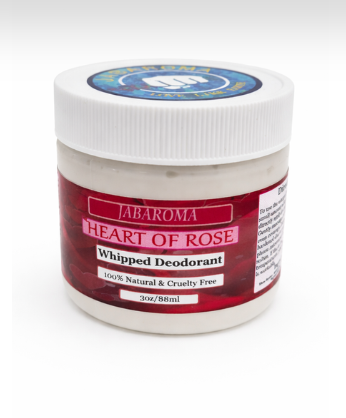
Jabaroma Whipped Deodorant — Heart of Rose
Uses magnesium hydroxide instead of baking soda, which is why it doesn't sting on freshly shaved skin.
Medical Disclaimer:This content is for informational purposes only and does not constitute medical advice. Please consult a healthcare provider for diagnosis and treatment options.
When OTC isn't enough
Still sweating through strong antiperspirants?
You may have hyperhidrosis — a common, treatable medical condition. Prescription options like Drysol and Qbrexza are available online through a quick telehealth consultation. See if you qualify in 60 seconds.
Frequently Asked Questions
The odor picks we keep buying
Jabaroma's magnesium-hydroxide formula and Hey Humans Coconut Mint — both aluminum-free, both held a full day in testing.
ShopRelated reads
Where to go next, depending on what your armpits are actually doing.
Best Deodorant for Stinky Armpits (2026 Picks That Actually Hold Up)
If your armpits smell strong by noon, the problem usually isn't hygiene — it's the wrong formula. Here's what we reach for, sorted by the exact problem you have.
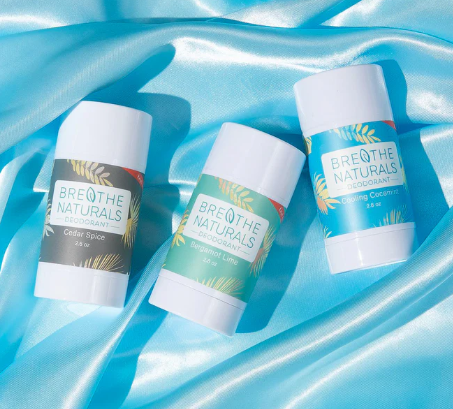
Why Do My Armpits Smell Even After Showering?
You scrubbed. You towel-dried. You swiped the deodorant. And by lunch — there it is again. Here's the real reason, and what actually quiets it down.
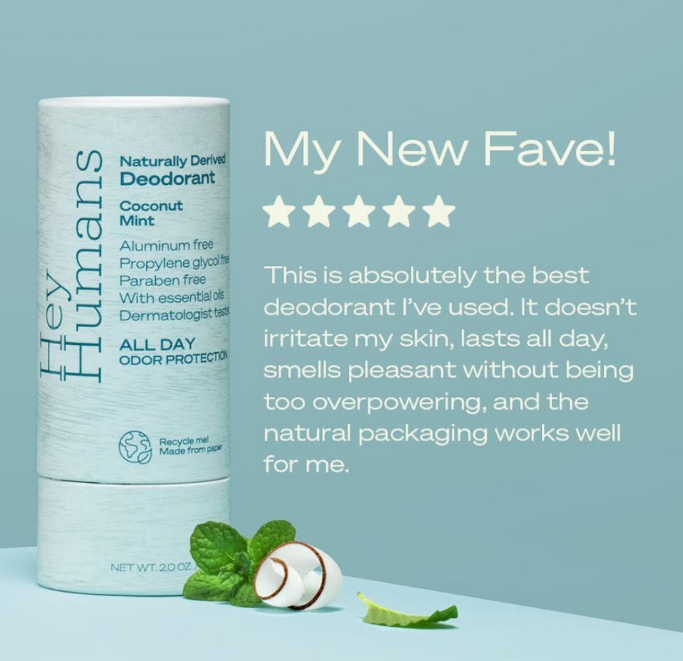
Best Natural Deodorants for Smelly Armpits in 2026 — Tested & Ranked
We wore 30+ natural deodorants for 90 days — across gym sessions, sweaty commutes, and stressful Mondays. Here's what kept up, and what to actually look for.
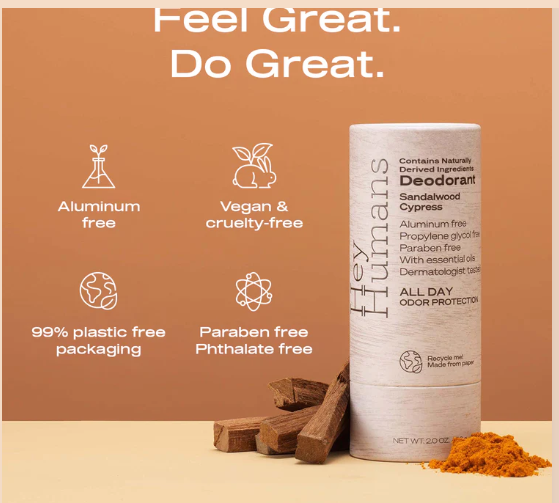
I Switched to Hey Humans Deodorant – Here's What Happened
Four weeks on an aluminum-free stick, including the rough week nobody warns you about. What changed, what didn't, and who shouldn't bother.
Natural Deodorant vs Antiperspirant — Which Is Right for You?
One reduces odor, the other reduces sweat. Picking the wrong one is why most people think their deodorant 'stopped working.' Here's how to choose.
Lume vs Native Deodorant — Honest 2026 Comparison
Both have huge followings. Both promise all-day protection. We wore them side by side for 60 days. Here's the unfiltered verdict on which one to pick.