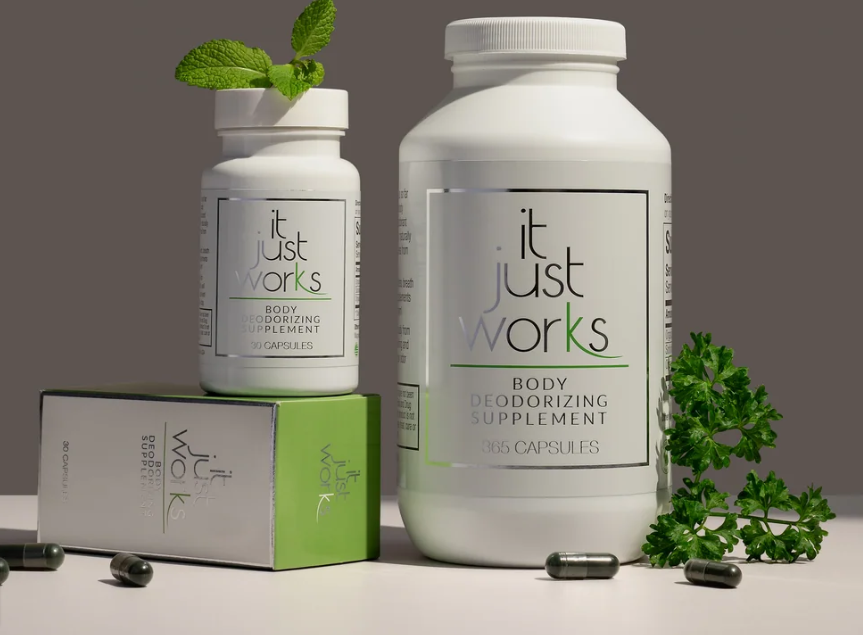
First — you're not gross, and you're not alone
You shower. You dry off. You swipe on deodorant. A couple of hours pass, you raise your arm, and… there it is. If you've ever quietly wondered "what is wrong with me?" — nothing is. The American Academy of Dermatology puts it plainly: sweat itself is nearly odorless, and the smell only shows up once the bacteria living on your skin break it down. This is one of the most-searched body questions on the planet, and the answer almost never comes down to how clean you are. It comes down to biology. Once you understand what's actually happening under your arms, you can stop fighting it and start working with it.
The real story behind the smell
Here's the twist most people don't know: sweat by itself doesn't smell. The odor comes from what happens after sweat meets your skin. You have two kinds of sweat glands. Eccrine glands are the watery, cool-down-the-body ones spread across your skin. Apocrine glands live mainly in your armpits and groin, and they release a thicker, protein-rich kind of sweat that bacteria absolutely love.
Friendly bacteria already living on your skin — mostly Corynebacterium and Staphylococcus — break that apocrine sweat down into the compounds we recognize as "BO." It happens quickly, which is why the smell can come back hours after you've stepped out of the shower feeling fresh.
So why does it come back so fast?
- Your skin's good bacteria bounce right back. Soap clears them off temporarily, but your underarm microbiome is regrowing within hours.
- Your apocrine glands don't take days off. They keep producing sweat 24/7, even while you sleep.
- Your deodorant may not match your chemistry. Different bodies host different bacteria, and not every formula is a fit.
- Your clothes are part of the equation. Synthetic fabrics trap moisture and feed the cycle. A worn-twice gym shirt is a bacteria buffet.
What you eat shows up under your arms
We don't always love this part, but food matters. Garlic, onions, and big servings of cruciferous veggies like broccoli or cabbage release sulfur compounds your body offloads partly through sweat. Lots of red meat has the same effect for many people. None of this means you have to give up your favorite meals — it just helps explain the days you smell stronger than usual.
Hormones jump in too. Stress sweat is a different animal from gym sweat — your apocrine glands fire harder when you're anxious, which is why a tense meeting can outsmell a 5K. Periods, pregnancy, perimenopause, thyroid shifts, and certain medications can also turn up the volume.
And yes, sometimes it's just your genes
A gene called ABCC11 shapes both your earwax type and how much odor your apocrine sweat actually produces. If you've always felt like you smell stronger than people around you despite doing everything "right," this could be why. It's not a personal failing — it's hereditary plumbing.
What actually helps (without overhauling your life)
- Try an antibacterial body wash designed to reduce odor-causing bacteria — not just any bar of soap.
- Gently exfoliate your underarms two or three times a week. A mild salicylic acid product is your friend here.
- Apply deodorant on dry skin, ideally at night. It absorbs better while you're not sweating.
- Experiment with a probiotic or prebiotic deodorant. The goal isn't nuking every bacterium — it's rebalancing the ones living there.
- If you've tried it all and the smell still won't quit, talk to a dermatologist. Conditions like hyperhidrosis or trimethylaminuria are real, treatable, and not your fault.
The bottom line
Smelling after a shower doesn't mean you're dirty. It means a perfectly normal interaction between your sweat, your bacteria, your food, your hormones, and your genes. Spraying more fragrance on top just hides the conversation. Address what's actually going on, and the smell stops winning.
Sweat Severity & Treatment Cost Calculator
Answer 5 quick questions to get your personalized severity score, estimated monthly treatment cost, and recommended solution.
Where do you sweat the most?
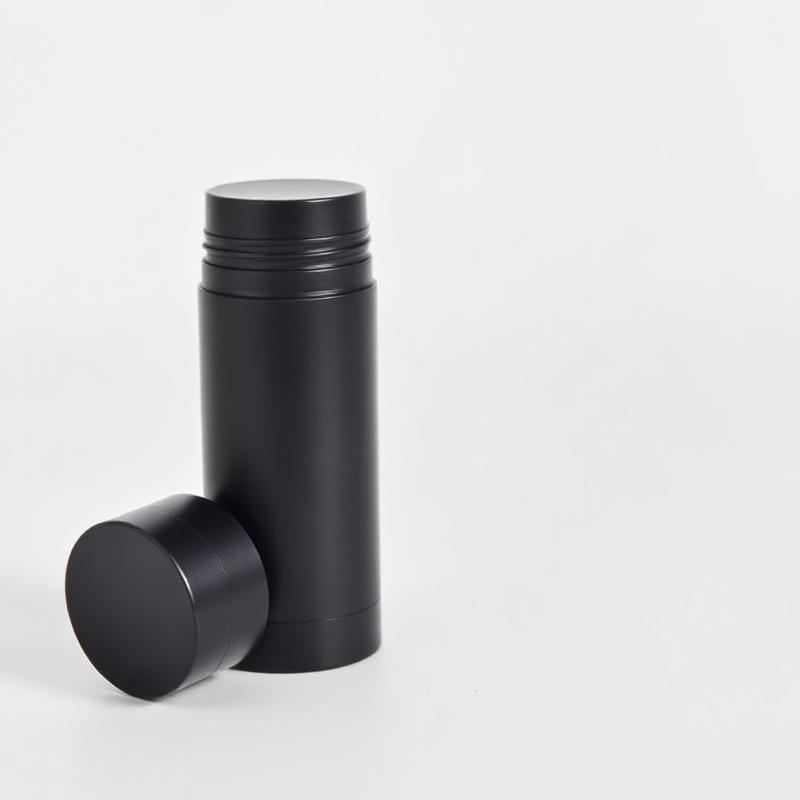
Breathe Naturals Pit Pack
Three scents per pack, so one can live in a gym bag and one in the car.
Medical Disclaimer:This content is for informational purposes only and does not constitute medical advice. Please consult a healthcare provider for diagnosis and treatment options.
When OTC isn't enough
Still sweating through strong antiperspirants?
You may have hyperhidrosis — a common, treatable medical condition. Prescription options like Drysol and Qbrexza are available online through a quick telehealth consultation. See if you qualify in 60 seconds.
Frequently Asked Questions
What we reach for on heavy-sweat days
Aluminum-free Pit Packs for gym bags, plus the clinical antiperspirants worth applying at night.
ShopRelated reads
Where to go next, depending on what your armpits are actually doing.
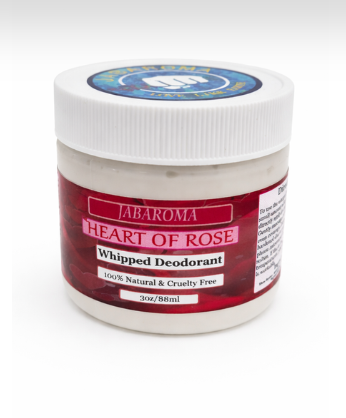
Best Deodorant for Stinky Armpits (2026 Picks That Actually Hold Up)
If your armpits smell strong by noon, the problem usually isn't hygiene — it's the wrong formula. Here's what we reach for, sorted by the exact problem you have.
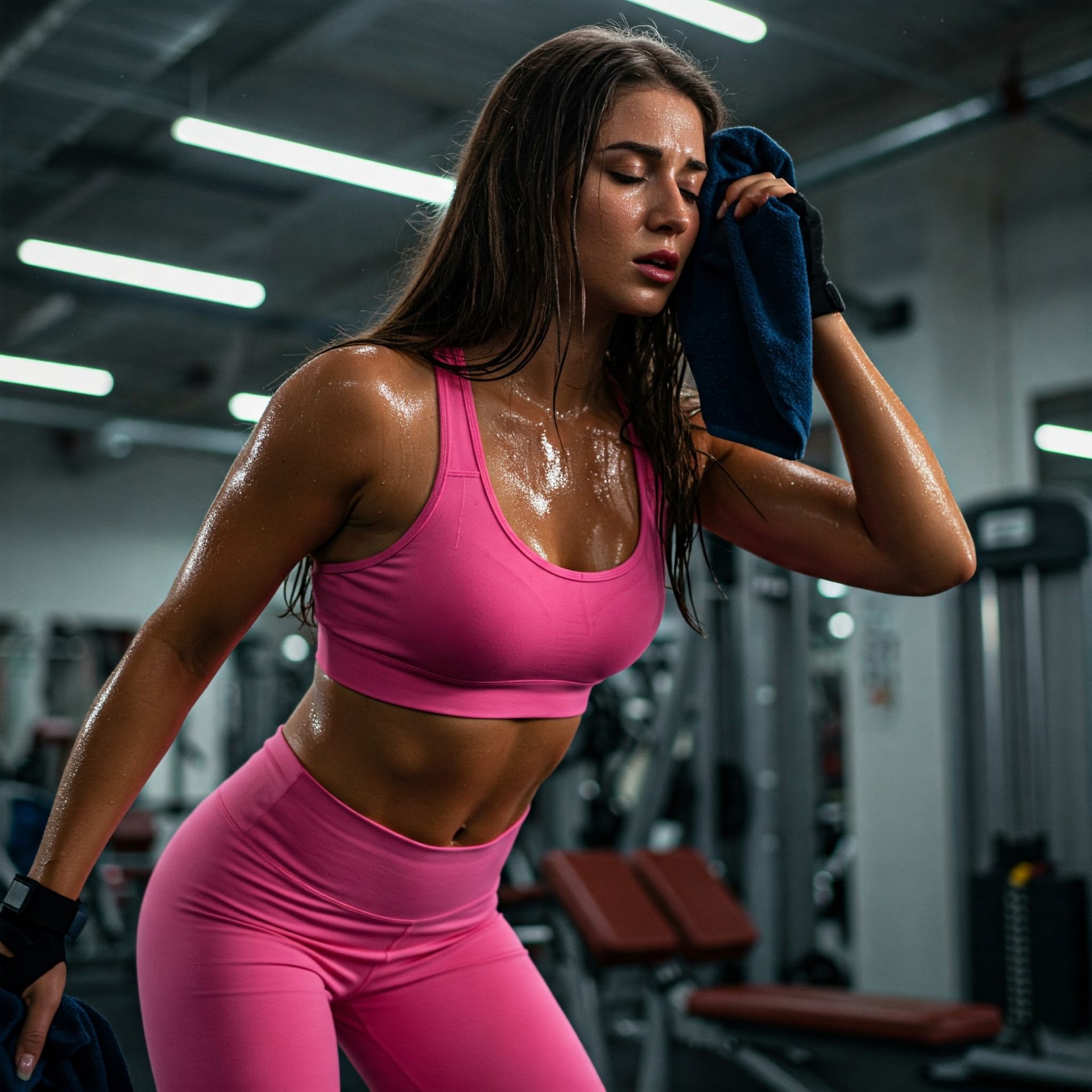
The Science of Body Odor: What Actually Causes It — and How to Fix It for Good
Body odor isn't a hygiene problem. It's biology, bacteria, genetics, hormones, and a few things you eat. Once you see the whole picture, you can work with it.
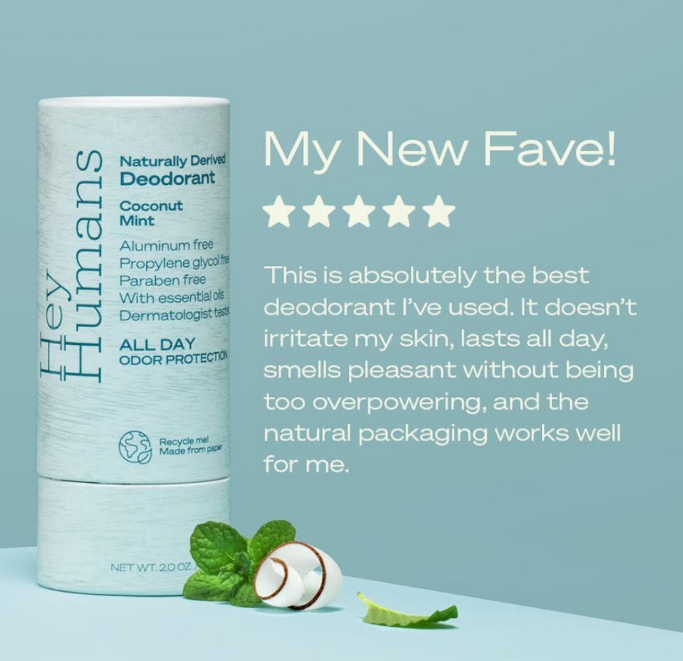
Best Natural Deodorants for Smelly Armpits in 2026 — Tested & Ranked
We wore 30+ natural deodorants for 90 days — across gym sessions, sweaty commutes, and stressful Mondays. Here's what kept up, and what to actually look for.
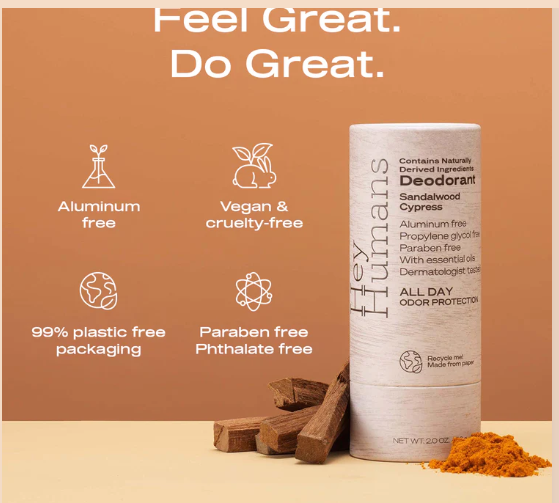
I Switched to Hey Humans Deodorant – Here's What Happened
Four weeks on an aluminum-free stick, including the rough week nobody warns you about. What changed, what didn't, and who shouldn't bother.
Best Deodorants for Heavy Sweaters — Men's & Women's Edition 2026
Promised 48 hours. Failed by noon. Sound familiar? These are the formulas built for people who sweat for real — not for the back of a box.

Why Do I Sweat So Much? Understanding Hyperhidrosis & What to Do
If you've ever changed shirts in your car, dodged a handshake, or planned an outfit around your sweat — you're not alone, and there are real treatments.