You're not "just sweaty" — this is a real condition
Sweating is good. It cools you down, clears metabolic waste, and even helps your immune system. But for about 4–5% of people worldwide, sweating goes far past what the body actually needs. That's called hyperhidrosis. If you've sweated through a shirt sitting still in an air-conditioned room, ducked a handshake, or built your wardrobe around hiding pit stains — keep reading. None of this is in your head, and there's more help out there than people realize.
Two kinds, and they need different answers
Primary hyperhidrosis shows up without an underlying medical cause. It usually targets specific spots — armpits, palms, soles, face — often starts in your teens, and runs in families. Stress and anxiety crank it up.
Secondary hyperhidrosis is your body responding to something else: thyroid issues, diabetes, menopause, certain medications. It tends to be more all-over, and often happens at night. If your heavy sweating is new, sudden, or wakes you up soaked, that's worth a doctor visit — not because you should worry, but because treating the cause changes everything.
Quick way to tell them apart
- Primary: focal (specific body parts), started young, family history, stops during sleep.
- Secondary: generalized (all over), came on later in life, often happens at night, may pair with other symptoms.
How much is too much?
The American Academy of Dermatology diagnoses hyperhidrosis when sweating goes well beyond what's needed for temperature control, gets in the way of daily life, and happens at least once a week. If you regularly find yourself rerouting your day around your sweat — work meetings, dates, public transport — that's enough reason to bring it up with a dermatologist.
Signs it's worth getting checked
- You change shirts during the day to manage visible sweat.
- Your hands or feet are wet enough to drip or smudge paper.
- You avoid handshakes, light-colored clothing, or certain social situations.
- Sweating wakes you up at night or soaks through bedding.
- It started suddenly, or comes with weight loss, fever, or fatigue.
Treatments that actually work, from gentle to advanced
Clinical-strength antiperspirants
This is where almost everyone starts. The active ingredient is the same as your drugstore antiperspirant — just stronger (15–20% aluminum chloride). Apply at night, to bone-dry skin. Most people see a 30–50% reduction in mild to moderate cases. Nightly to start, then a few times a week once it's working.
Iontophoresis
Sounds intense — it's not. A small device passes a gentle electrical current through water and into the skin, temporarily quieting the sweat glands. Mostly used for hands and feet, but underarm attachments exist. 20–30 minute sessions, a few times a week up front. Safe, effective, and there are home units.
Botox
Yes, the same Botox. Injected into the underarm, it blocks the nerve signals telling your sweat glands to fire. Reduction can hit 87% and lasts 4–6 months. 30-minute appointment. FDA-approved for underarm hyperhidrosis. A favorite of people who just want this handled.
miraDry
A non-invasive treatment that uses microwave energy to actually destroy the sweat glands in your underarms — permanently. Usually 1–2 sessions, around 82% sweat reduction in studies. A bonus: it also reduces underarm hair. Some swelling and tenderness afterward, gone in a week or two.
Oral medications
Anticholinergics like glycopyrrolate or oxybutynin can dial down sweating system-wide. They work, but they bring side effects — dry mouth, blurred vision, urinary slowdown — so doctors usually save these for cases the other options haven't fixed.
You don't have to live around it
Excessive sweating is real, it's common, and it's treatable. If you've been quietly dealing with this for years, it might be time to stop strategizing your wardrobe and start talking to someone who can actually help. Our guide to getting hyperhidrosis treatment online covers what a consultation costs and which prescriptions are available.
A simple game plan
- Start with clinical-strength antiperspirant nightly for a few weeks.
- Track your triggers — stress, food, time of day, hormones.
- Talk to a dermatologist if you're not seeing real improvement after a month.
- Ask about Botox, iontophoresis, or miraDry if topical options aren't cutting it.
- Rule out a secondary cause if it came on suddenly or you have other symptoms.
Sweat Severity & Treatment Cost Calculator
Answer 5 quick questions to get your personalized severity score, estimated monthly treatment cost, and recommended solution.
Where do you sweat the most?
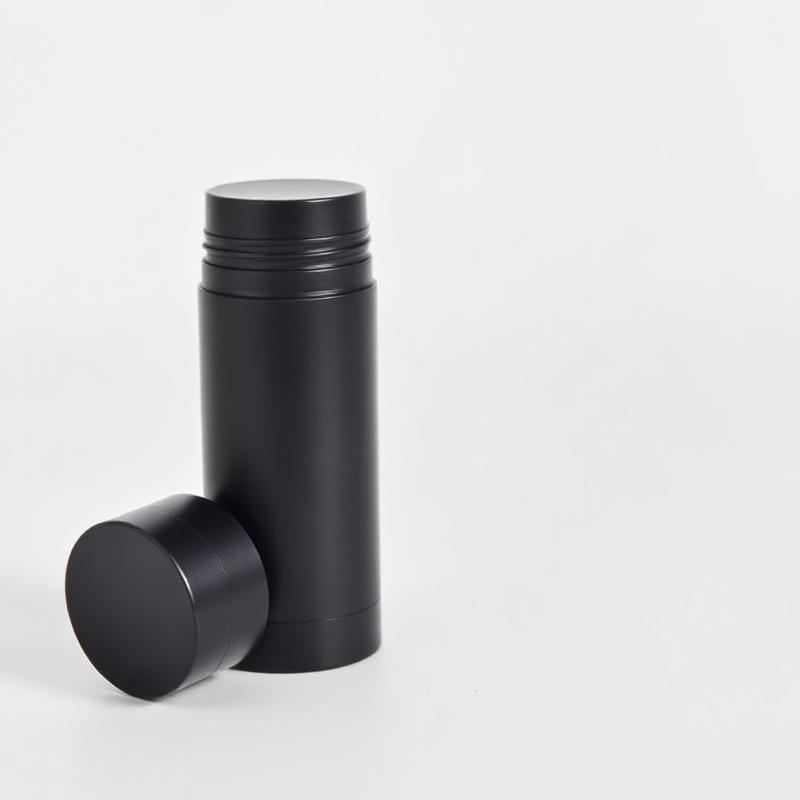
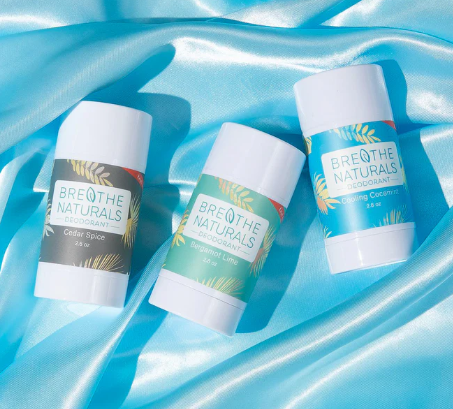
Breathe Naturals Pit Pack
Three scents per pack, so one can live in a gym bag and one in the car.
Medical Disclaimer:This content is for informational purposes only and does not constitute medical advice. Please consult a healthcare provider for diagnosis and treatment options.
When OTC isn't enough
Still sweating through strong antiperspirants?
You may have hyperhidrosis — a common, treatable medical condition. Prescription options like Drysol and Qbrexza are available online through a quick telehealth consultation. See if you qualify in 60 seconds.
Frequently Asked Questions
What we reach for on heavy-sweat days
Aluminum-free Pit Packs for gym bags, plus the clinical antiperspirants worth applying at night.
ShopRelated reads
Where to go next, depending on what your armpits are actually doing.
Best Deodorants for Heavy Sweaters — Men's & Women's Edition 2026
Promised 48 hours. Failed by noon. Sound familiar? These are the formulas built for people who sweat for real — not for the back of a box.

Hyperhidrosis Treatment: Are You Eligible for Telehealth Consultation?
Sweating through shirts in a cool room isn't just 'being sweaty'. Here's what hyperhidrosis treatment costs, what actually works, and how to get it from home.
Clinical Strength vs Prescription Antiperspirant — Which Do You Actually Need?
Clinical strength is sold over the counter. Prescription antiperspirants are stronger and require a doctor. Here's exactly when to upgrade — and how to do it online.
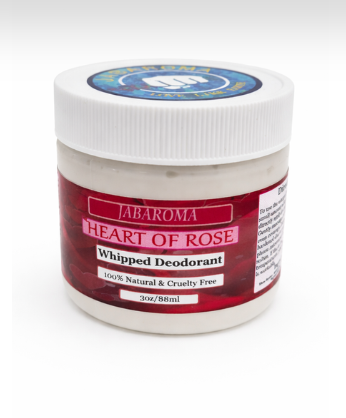
Best Deodorant for Stinky Armpits (2026 Picks That Actually Hold Up)
If your armpits smell strong by noon, the problem usually isn't hygiene — it's the wrong formula. Here's what we reach for, sorted by the exact problem you have.
The Science of Body Odor: What Actually Causes It — and How to Fix It for Good
Body odor isn't a hygiene problem. It's biology, bacteria, genetics, hormones, and a few things you eat. Once you see the whole picture, you can work with it.
Why Do My Armpits Smell Even After Showering?
You scrubbed. You towel-dried. You swiped the deodorant. And by lunch — there it is again. Here's the real reason, and what actually quiets it down.