If you've ever sweated through a shirt sitting still in an air-conditioned room, or found yourself avoiding handshakes altogether, you may be dealing with hyperhidrosis — a real medical condition, not just "being sweaty", and one with genuinely effective treatment. Here's what it is, how to tell if it's worth addressing, and what treatment actually costs.
What hyperhidrosis actually is
It's sweating that goes well beyond what your body needs for temperature regulation. About 4.8% of Americans — nearly 15 million people — deal with it.
Primary focal hyperhidrosis is the more common type. It usually starts in your teens, runs in families, and targets specific areas symmetrically: underarms, palms, feet, sometimes the face. Nothing else is causing it.
Secondary generalized hyperhidrosis is your body reacting to something else — a thyroid issue, diabetes, menopause, certain medications. It tends to be more all-over, and often happens at night. If your heavy sweating is new, sudden, or wakes you up soaked, see a doctor: treating the underlying cause changes the whole picture.
Signs it's worth getting checked
- You sweat even sitting still in a cool room.
- It's been going on six months or more and disrupts your day.
- You've changed clothes mid-day, avoided certain colors, or skipped handshakes because of it.
- Clinical-strength antiperspirant hasn't helped despite consistent nightly use.
Why telehealth makes sense for this specifically
Hyperhidrosis is diagnosed from your history and sweat pattern, not from lab work — which is exactly the kind of thing a video visit handles well. It's also a private topic for most people, and telehealth sidesteps both the wait and the awkwardness. Consultations typically run $50–150 without insurance, and many plans now cover telehealth visits at the same rate as in-person ones. Most platforms offer an appointment within 24–48 hours.
One thing to be upfront about: we operate the telehealth hand-off on this site and earn a referral fee when a consultation is booked. That doesn't change the clinical information above, and it shouldn't be the reason you book — the signs list is.
Important: Telehealth consultations are currently only available to residents of the United States.
Check your eligibility
This takes about a minute and tells you which treatment tier is worth asking a provider about first.
How often do you experience excessive sweating?
Treatment options, roughly in order
Prescription antiperspirant
Drysol (20% aluminum chloride hexahydrate) is the usual first prescription. Applied to fully dry skin at bedtime, washed off in the morning, 2–3 nights a week to start. Generic runs $20–40.
Qbrexza (glycopyrronium) wipes
FDA-approved pre-moistened cloths, used once daily, blocking the signal that activates sweat glands. Full effect at around four weeks. Roughly $500–600 without insurance, though manufacturer coupons often bring that down meaningfully.
Oral anticholinergics
Glycopyrrolate or oxybutynin work system-wide, which makes them useful for generalized sweating. Side effects — dry mouth, blurred vision — mean doctors usually reach for them after topicals.
Iontophoresis devices
Mainly for palms and feet, though underarm attachments exist. A gentle current through water quiets the sweat glands for a while.
| Device | Best for | Estimated cost |
|---|---|---|
| Dermadry | Hands, feet, underarms | $349–$499 |
| RA Fischer | Hands, feet | $495–$1,000+ |
| Idromed | Hands, feet | $400–$600 |
Botox
Requires an in-person visit, but can be discussed and referred through telehealth. FDA-approved for severe underarm sweating, results last 4–12 months, and insurance sometimes covers it once other options have been tried.
What helps in the meantime
Sweat-proof undershirts (Thompson Tee), topical lotions for hands and feet (Carpe), and clinical-strength OTC wipes all make daily life easier while you work through treatment. None of them are a substitute for it.
Hyperhidrosis is a recognized medical condition. Treating it isn't vanity — it's the same as treating anything else that quietly reshapes your day.
Breathe Naturals Pit Pack
Three scents per pack, so one can live in a gym bag and one in the car.
Medical Disclaimer:This content is for informational purposes only and does not constitute medical advice. Please consult a healthcare provider for diagnosis and treatment options.
When OTC isn't enough
Still sweating through strong antiperspirants?
You may have hyperhidrosis — a common, treatable medical condition. Prescription options like Drysol and Qbrexza are available online through a quick telehealth consultation. See if you qualify in 60 seconds.
Frequently Asked Questions
Related reads
Where to go next, depending on what your armpits are actually doing.
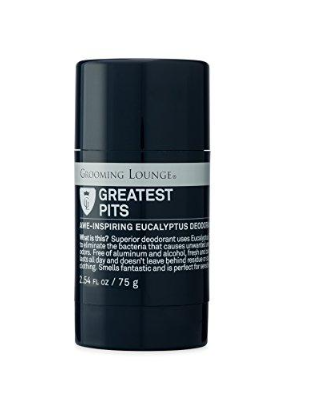
Best Deodorants for Heavy Sweaters — Men's & Women's Edition 2026
Promised 48 hours. Failed by noon. Sound familiar? These are the formulas built for people who sweat for real — not for the back of a box.

Why Do I Sweat So Much? Understanding Hyperhidrosis & What to Do
If you've ever changed shirts in your car, dodged a handshake, or planned an outfit around your sweat — you're not alone, and there are real treatments.

Clinical Strength vs Prescription Antiperspirant — Which Do You Actually Need?
Clinical strength is sold over the counter. Prescription antiperspirants are stronger and require a doctor. Here's exactly when to upgrade — and how to do it online.
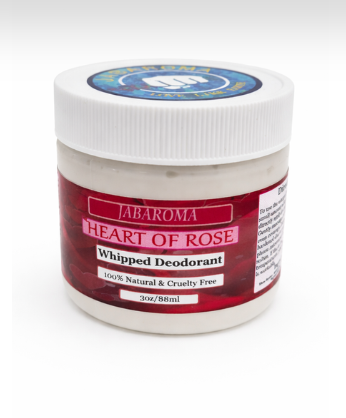
Best Deodorant for Stinky Armpits (2026 Picks That Actually Hold Up)
If your armpits smell strong by noon, the problem usually isn't hygiene — it's the wrong formula. Here's what we reach for, sorted by the exact problem you have.

The Science of Body Odor: What Actually Causes It — and How to Fix It for Good
Body odor isn't a hygiene problem. It's biology, bacteria, genetics, hormones, and a few things you eat. Once you see the whole picture, you can work with it.

Why Do My Armpits Smell Even After Showering?
You scrubbed. You towel-dried. You swiped the deodorant. And by lunch — there it is again. Here's the real reason, and what actually quiets it down.