They're not the same thing — and that's a good thing
Most of us use "deodorant" and "antiperspirant" as if they're the same. They aren't. They solve different problems, with completely different ingredients, and matching the right one to your body is probably the single most useful upgrade you can make to your underarm routine. No marketing magic required — just a quick understanding of what each one is actually doing.
What a deodorant is really doing
Deodorants don't stop sweat. They tackle smell. They do that one of three ways: killing the bacteria that produce odor, neutralizing the odor molecules themselves, or covering the scent with fragrance. Common ingredients include alcohol, zinc compounds, and (in natural formulas) magnesium hydroxide and baking soda.
What an antiperspirant is really doing
Antiperspirants are the sweat blockers. They use aluminum-based compounds — usually aluminum chlorohydrate or aluminum zirconium tetrachlorohydrex — that dissolve in your surface sweat and form a soft, temporary plug just inside the sweat duct. Standard formulas can reduce sweat by 20–30%. Clinical-strength can hit 50%. Yes, you'll still sweat. Just noticeably less.
The aluminum question — let's just answer it
You've heard the rumors: aluminum, breast cancer, Alzheimer's. Here's the straight answer as of 2026 — there is no conclusive scientific evidence linking topical aluminum to either condition. Major bodies like the American Cancer Society and the National Institutes of Health do not list antiperspirants as a cancer risk. If you have kidney disease, talk to your doctor first, since impaired kidneys process aluminum differently. For everyone else, the science says you can relax.
How to figure out which one you actually need
- Reach for a deodorant if odor is your real concern, you'd rather skip aluminum, or your skin reacts to traditional antiperspirants.
- Reach for an antiperspirant if wetness is the issue, you're in client-facing work, or you train hard enough that sweat soaks through your shirt.
- Reach for a combo if you want one product to handle both. Most mainstream sticks already are.
Application tips that actually matter
- Apply antiperspirant at night, not in the morning. The aluminum needs 6–8 hours of low sweat to seal in properly. Morning application is basically washing it down the drain by lunch.
- Dry skin only. Wet skin dilutes the active ingredients before they can do their job.
- Two or three swipes is plenty. Over-applying doesn't help — it just gives you white marks and more chance of irritation.
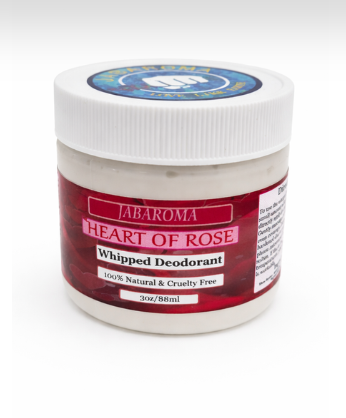
Jabaroma Whipped Deodorant — Heart of Rose
Uses magnesium hydroxide instead of baking soda, which is why it doesn't sting on freshly shaved skin.
Medical Disclaimer:This content is for informational purposes only and does not constitute medical advice. Please consult a healthcare provider for diagnosis and treatment options.
When OTC isn't enough
Still sweating through strong antiperspirants?
You may have hyperhidrosis — a common, treatable medical condition. Prescription options like Drysol and Qbrexza are available online through a quick telehealth consultation. See if you qualify in 60 seconds.
Frequently Asked Questions
The odor picks we keep buying
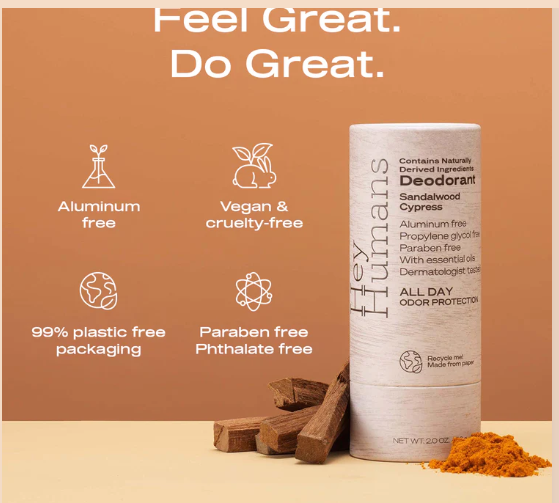
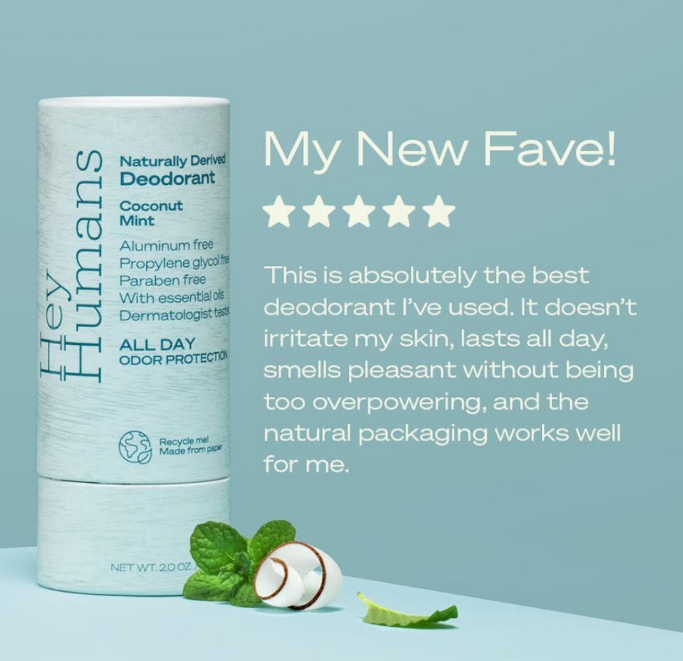
Jabaroma's magnesium-hydroxide formula and Hey Humans Coconut Mint — both aluminum-free, both held a full day in testing.
ShopRelated reads
Where to go next, depending on what your armpits are actually doing.
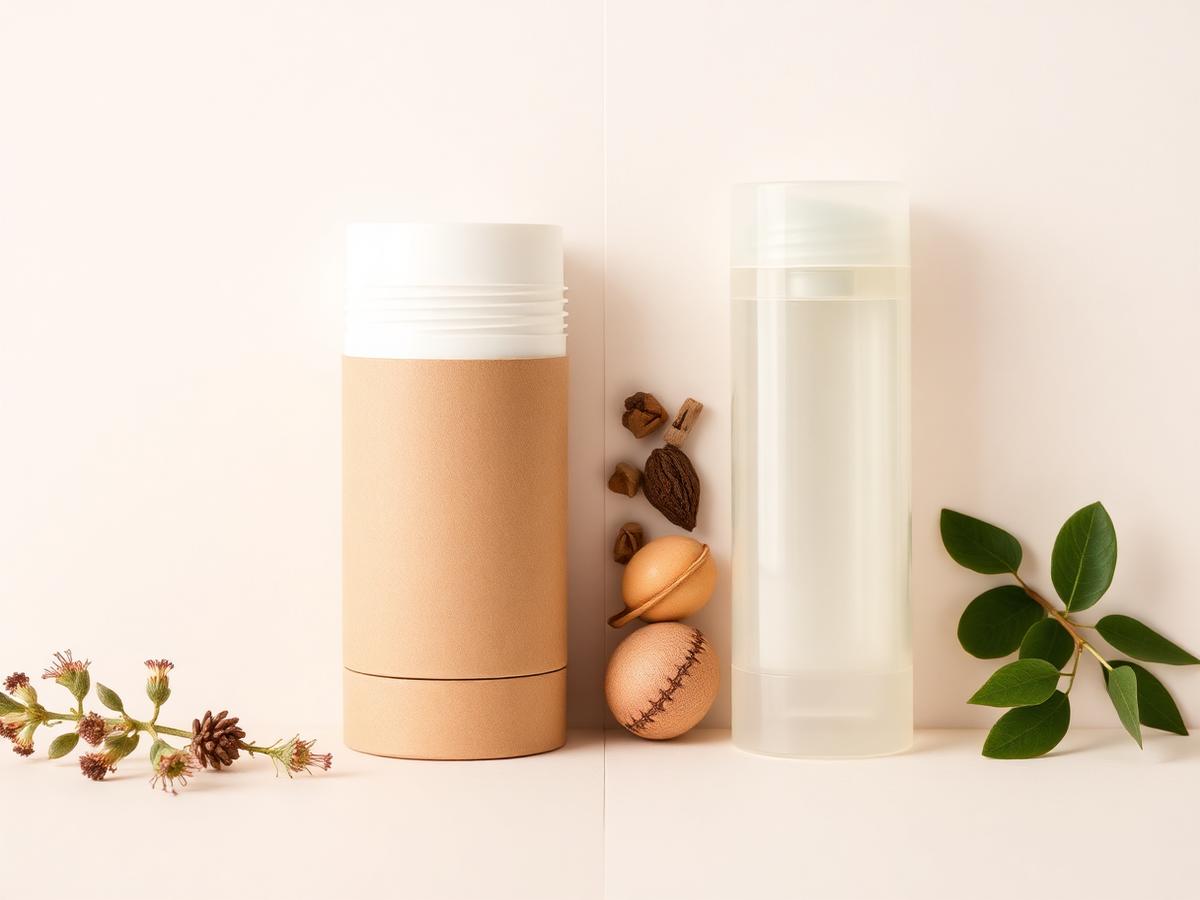
Natural Deodorant vs Antiperspirant — Which Is Right for You?
One reduces odor, the other reduces sweat. Picking the wrong one is why most people think their deodorant 'stopped working.' Here's how to choose.
Clinical Strength vs Prescription Antiperspirant — Which Do You Actually Need?
Clinical strength is sold over the counter. Prescription antiperspirants are stronger and require a doctor. Here's exactly when to upgrade — and how to do it online.
Best Deodorant for Stinky Armpits (2026 Picks That Actually Hold Up)
If your armpits smell strong by noon, the problem usually isn't hygiene — it's the wrong formula. Here's what we reach for, sorted by the exact problem you have.

The Science of Body Odor: What Actually Causes It — and How to Fix It for Good
Body odor isn't a hygiene problem. It's biology, bacteria, genetics, hormones, and a few things you eat. Once you see the whole picture, you can work with it.
Why Do My Armpits Smell Even After Showering?
You scrubbed. You towel-dried. You swiped the deodorant. And by lunch — there it is again. Here's the real reason, and what actually quiets it down.
Best Natural Deodorants for Smelly Armpits in 2026 — Tested & Ranked
We wore 30+ natural deodorants for 90 days — across gym sessions, sweaty commutes, and stressful Mondays. Here's what kept up, and what to actually look for.