You're not the only one — most people just don't talk about it
Dark underarms are one of the most-searched skin concerns in the world. They're also one of the least talked about out loud. People of every skin tone deal with them, and the cause is almost never poor hygiene. Once you know what's actually going on under there, you can stop hiding and start treating it.
What's actually causing the darkness
Shaving and waxing friction
The skin under your arm is delicate. Every shave, every wax, every too-tight shirt is a tiny inflammation, and your skin responds by laying down extra melanin. This is called post-inflammatory hyperpigmentation, or PIH. It's the most common reason underarms darken — and the most fixable.
Your deodorant might be part of it
Some deodorants — particularly those with alcohol, strong fragrance, or certain preservatives — quietly irritate the skin day after day. If your armpits ever feel tight, itchy, or sting after application, your current product could be part of the pigment story.
Acanthosis nigricans
This one looks different — thicker, velvety, almost like a smudge that won't wash off. It often shows up in the underarms, neck, or groin and can be a sign of insulin resistance, weight changes, or hormonal conditions like PCOS. If that sounds like what you're seeing, please book a doctor's appointment. This isn't cosmetic — it's worth checking.
Dead skin buildup
Folded, covered skin holds onto dead cells longer than flat areas. Sometimes underarms aren't really pigmented at all — they're just dull from buildup. Gentle, regular exfoliation alone can make a visible difference.
What actually works (and what to skip)
Ingredients with real evidence behind them
- Niacinamide (Vitamin B3): Slows the transfer of melanin to the surface. Gentle enough for daily use. Look for 5% or higher.
- Kojic acid: Blocks the enzyme that makes melanin. Effective but can sting — start around 1% and patch test.
- AHAs (glycolic, lactic): Chemically lift pigmented dead skin. Two or three times a week, not every day.
- Azelaic acid: Calms inflammation and lightens pigment at the same time. Great if your darkness shows up after a deodorant reaction.
The home remedies worth your time — and the ones to drop
Lemon juice, raw potato slices, and baking soda paste get passed around constantly. Honestly? Most do little, and lemon juice in particular can backfire — it's acidic and reacts with sunlight, often making pigment worse. The real home-remedy MVP is unglamorous: switch to a gentler, fragrance-free deodorant and exfoliate consistently. Boring, but it works.
If you want to bring in a pro
- Chemical peels at a dermatologist's office use stronger versions of the acids you'd use at home — faster results.
- Laser treatments can target stubborn melanin that topicals can't reach.
- Prescription hydroquinone is the heavyweight option. Powerful, but should only be used under a doctor's care.
And gently: there's nothing wrong with the color of your skin to begin with. If you want to address darkness because it's bothering you, fine — but you don't need to "fix" yourself. Either way, your underarms are not the problem.
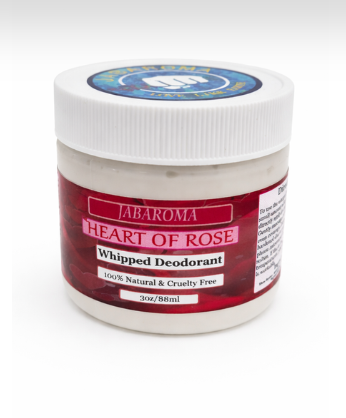
Jabaroma Whipped Deodorant — Heart of Rose
Uses magnesium hydroxide instead of baking soda, which is why it doesn't sting on freshly shaved skin.
Medical Disclaimer:This content is for informational purposes only and does not constitute medical advice. Please consult a healthcare provider for diagnosis and treatment options.
When OTC isn't enough
Still sweating through strong antiperspirants?
You may have hyperhidrosis — a common, treatable medical condition. Prescription options like Drysol and Qbrexza are available online through a quick telehealth consultation. See if you qualify in 60 seconds.
Frequently Asked Questions
The odor picks we keep buying
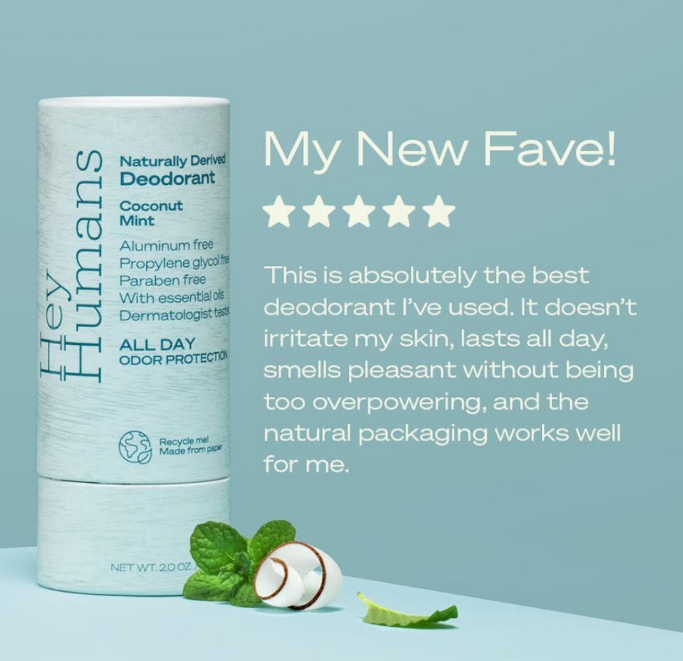
Jabaroma's magnesium-hydroxide formula and Hey Humans Coconut Mint — both aluminum-free, both held a full day in testing.
ShopRelated reads
Where to go next, depending on what your armpits are actually doing.
Armpit Rash: Causes, Symptoms & When to See a Doctor
A new rash under your arm can be alarming — but most of them have very fixable causes. Here's how to tell which one you're dealing with.
Best Deodorant for Stinky Armpits (2026 Picks That Actually Hold Up)
If your armpits smell strong by noon, the problem usually isn't hygiene — it's the wrong formula. Here's what we reach for, sorted by the exact problem you have.

The Science of Body Odor: What Actually Causes It — and How to Fix It for Good
Body odor isn't a hygiene problem. It's biology, bacteria, genetics, hormones, and a few things you eat. Once you see the whole picture, you can work with it.
Why Do My Armpits Smell Even After Showering?
You scrubbed. You towel-dried. You swiped the deodorant. And by lunch — there it is again. Here's the real reason, and what actually quiets it down.
Best Natural Deodorants for Smelly Armpits in 2026 — Tested & Ranked
We wore 30+ natural deodorants for 90 days — across gym sessions, sweaty commutes, and stressful Mondays. Here's what kept up, and what to actually look for.
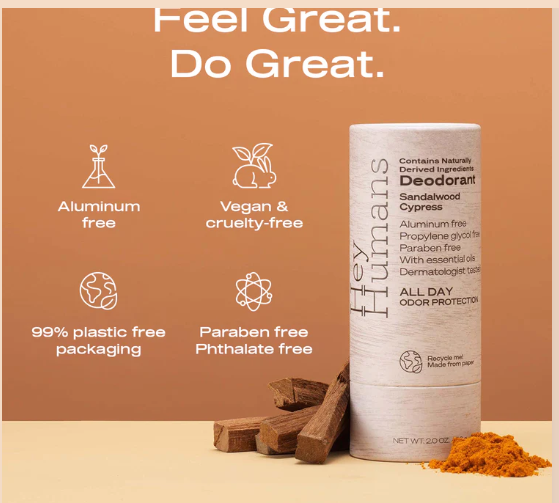
I Switched to Hey Humans Deodorant – Here's What Happened
Four weeks on an aluminum-free stick, including the rough week nobody warns you about. What changed, what didn't, and who shouldn't bother.